Commercial vs. Residential Excavation: Key Differences a Commercial Excavating Contractor Knows in Redding, CA
Understanding the differences between commercial and residential excavation helps property owners and developers choose the right team for the job. Not all excavation work is the same, and a qualified commercial excavating contractor approaches a large-scale job site in Redding very differently than a crew prepping a backyard for a new home. Scope, equipment, permitting, crew size, and timelines all shift depending on the type of project at hand.
Scale and Scope Set the Stage
Commercial excavation typically involves much larger footprints and greater earth movement than residential work. A project site for a retail center, industrial facility, or multi-unit development may span several acres, requiring heavy equipment and a larger crew working in coordinated phases. Residential excavation often focuses on a single lot, a foundation cutout, or a utility trench serving one household.
The volume of dirt moved on a commercial job can reach thousands of cubic yards, changing everything from equipment selection to daily site management. Working with an experienced commercial excavating contractor from the start helps avoid costly surprises as a project scales up.
Equipment Differences
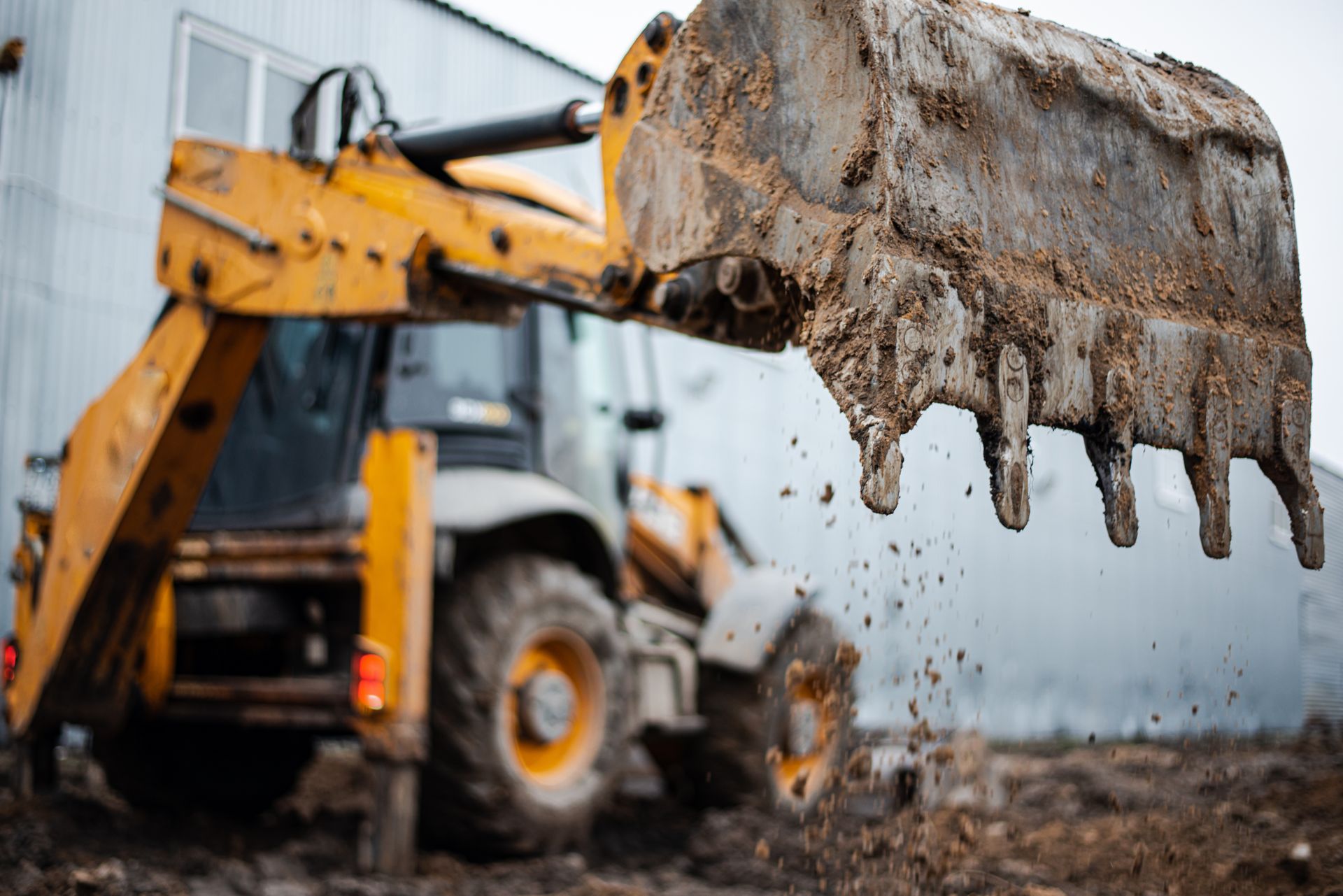
The machinery used on each type of job reflects the difference in scale. A commercial excavating contractor operating in Redding and the surrounding Shasta County region may call for full-size excavators and bulldozers suited for moving large volumes of rocky or compacted soil, large articulated dump trucks to haul off significant spoil material, compaction equipment rated for engineered fill operations, and grading machines capable of achieving precise cuts across wide building pads. Residential projects can often be handled with a mini-excavator or skid steer, keeping impact on nearby landscaping and structures to a minimum.
How Does Permitting Differ Between Excavation Types?
Permitting is one of the most significant differences between the two project types, and local knowledge in Redding matters greatly here. Shasta County requires a grading permit any time a project moves more than 250 cubic yards of earth, disturbs 10,000 square feet or more of surface area, or affects any natural watercourse. Commercial projects almost always meet one or more of these thresholds, which is why hiring a commercial excavating contractor familiar with local requirements is a practical advantage.
For larger commercial grading work, Shasta County classifies projects moving more than 2,000 cubic yards or disturbing more than five acres as major projects. Major project permits can trigger review under the California Environmental Quality Act (CEQA), adding another layer to the approval process.
Commercial projects in Redding that disturb one or more acres also require a Storm Water Pollution Prevention Plan (SWPPP) filed with the State Water Resources Control Board, with day-to-day oversight through the Central Valley Regional Water Quality Control Board's Redding office. Residential projects rarely reach the acreage thresholds that trigger a SWPPP and can often be processed more quickly with fewer agency touchpoints.
Timeline and Project Phasing
Commercial excavation timelines are longer and more complex. Large commercial builds often require phased grading, where different sections of a site are excavated in a sequence that supports other trades working simultaneously. Site logistics, haul truck traffic flow, and coordination with civil engineers all add time to the pre-construction stage.
Residential timelines can move faster when a project is straightforward. A foundation excavation or land clearing job for a single home can sometimes be completed within days, provided the permit is in hand and site conditions cooperate.
Northern California's climate plays a role here. Redding's hot, dry summers make for favorable excavation conditions, but the rainy season from late fall through spring can slow progress on both project types. Shasta County's erosion control requirements become especially relevant during wet weather grading operations.
Soil and Terrain Considerations in the Redding Area
The Redding area sits in the northern Sacramento Valley, where soils range from well-draining sandy loams near the valley floor to harder, compacted clay and decomposed granite on hillside and foothill properties. Commercial projects near the Interstate 5 corridor may encounter relatively workable soils, while developments pushing toward Shasta Lake or east into the foothills can run into bedrock or expansive clay that demands additional engineering attention.
Residential lots in established neighborhoods like Sunrise Terrace or newer developments off Churn Creek Road can present different sub-surface conditions than rural acreage in unincorporated Shasta County. A skilled commercial excavating contractor evaluates soil conditions before committing to a timeline or approach, whether the project is a single-family lot or a multi-acre commercial pad.
Crew Size and Site Coordination
Commercial excavation crews are larger and operate under tighter coordination with project managers, civil engineers, and general contractors. Multi-trade environments require precise sequencing so utility trenching, grading, and material import or export do not create bottlenecks for other crews on site.
Residential excavation is more likely to involve a smaller, focused crew with communication flowing directly between the homeowner and the excavation team. That said, even residential projects benefit from clear communication about underground utilities, property lines, and planned grades before any digging begins.
For a closer look at what residential site prep involves, visit the residential excavation services page. For commercial project details, the commercial excavation page outlines the range of work available for business and development clients.
Choosing the Right Contractor for Your Project Type
Matching the contractor to the project type is a practical decision. A crew experienced only in residential work may lack the heavy equipment, bonding, licensing depth, or phasing expertise a commercial site demands. Conversely, a contractor focused solely on large commercial jobs may not have the precision needed for residential work where protecting existing landscaping and structures matters.
In Redding, CA, property owners and developers benefit most from a commercial excavating contractor with demonstrated experience across both project types who understands local permit requirements, soil conditions, and seasonal considerations.
Concrete Construction Excavating Inc. brings that dual experience to every project, handling both commercial and residential excavation across Redding and the surrounding Shasta County area. To discuss your project and get a quote, call the team at
(530) 285-1890.